Mario Boccia – Sarajevo 1992–1996. The Longest Siege
-
Posted by
Sajra Zulčić
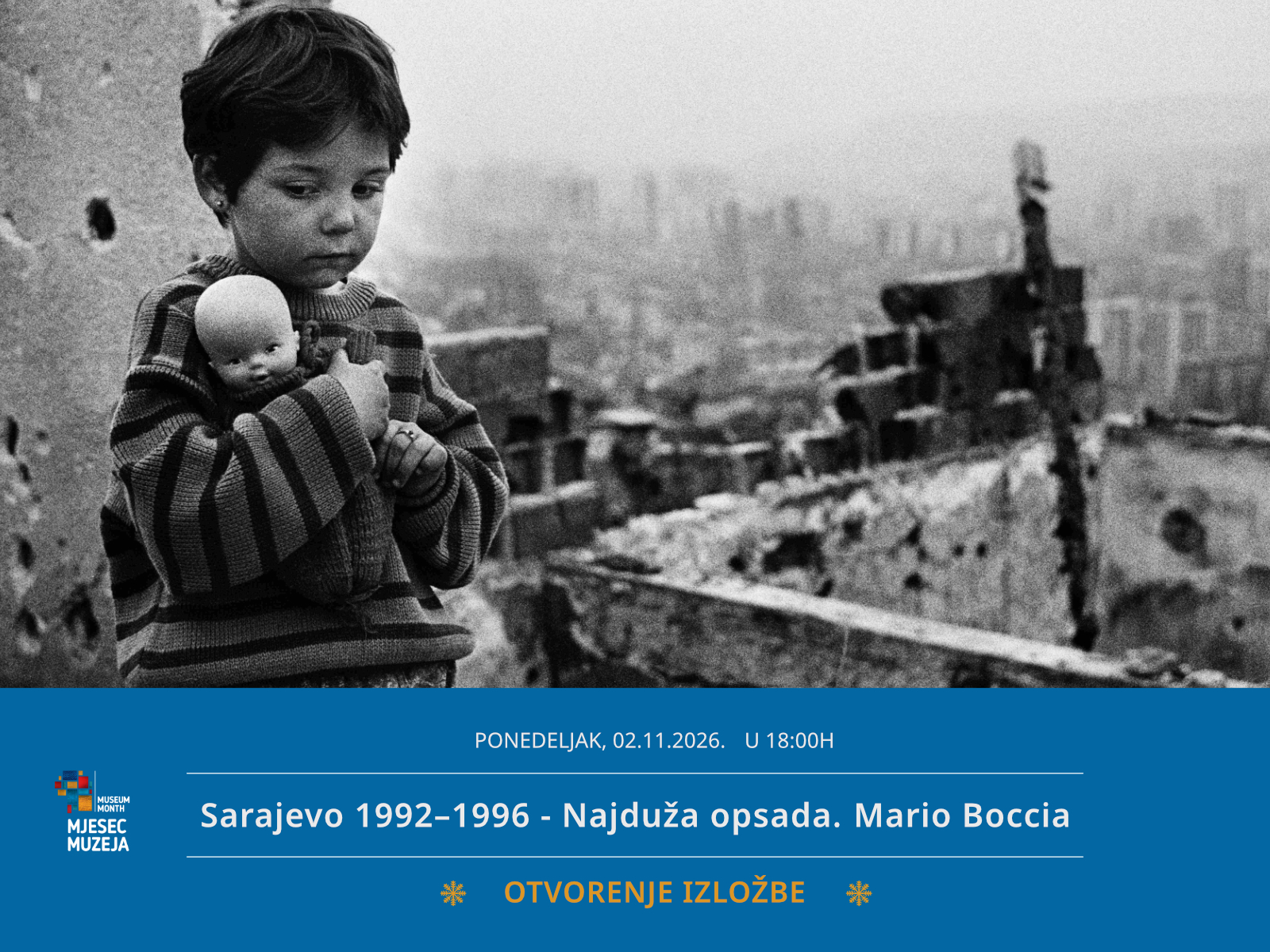
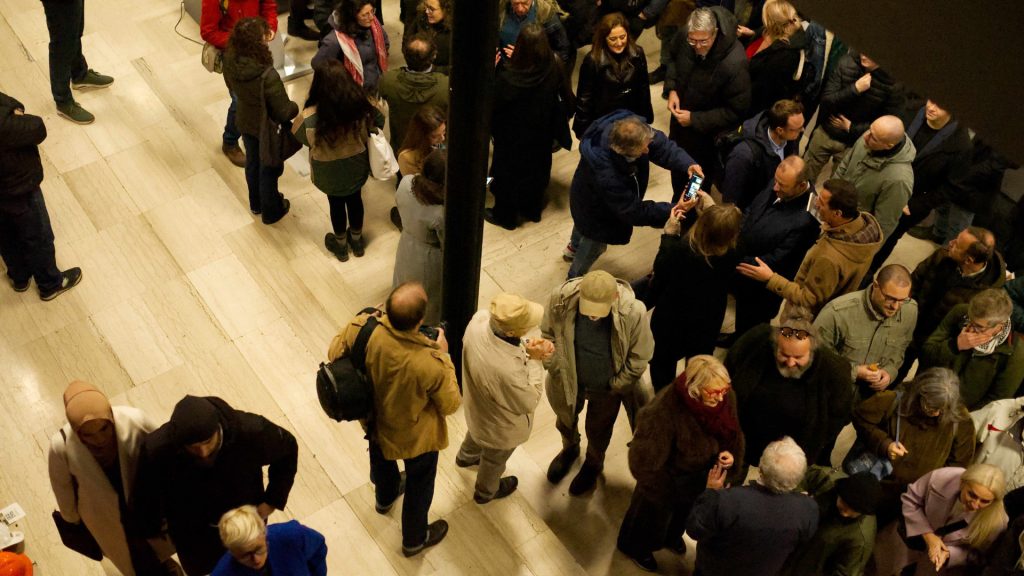
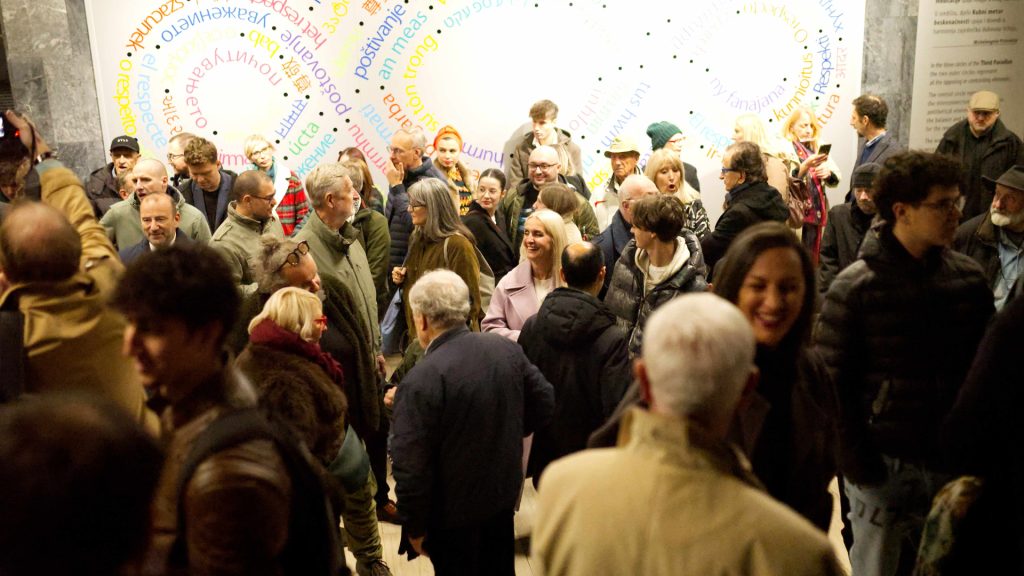
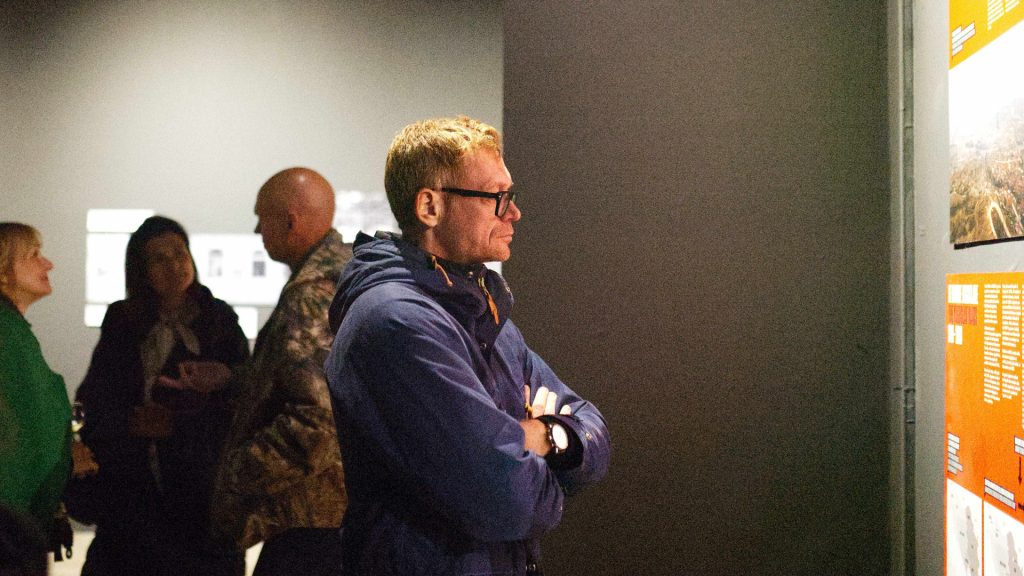
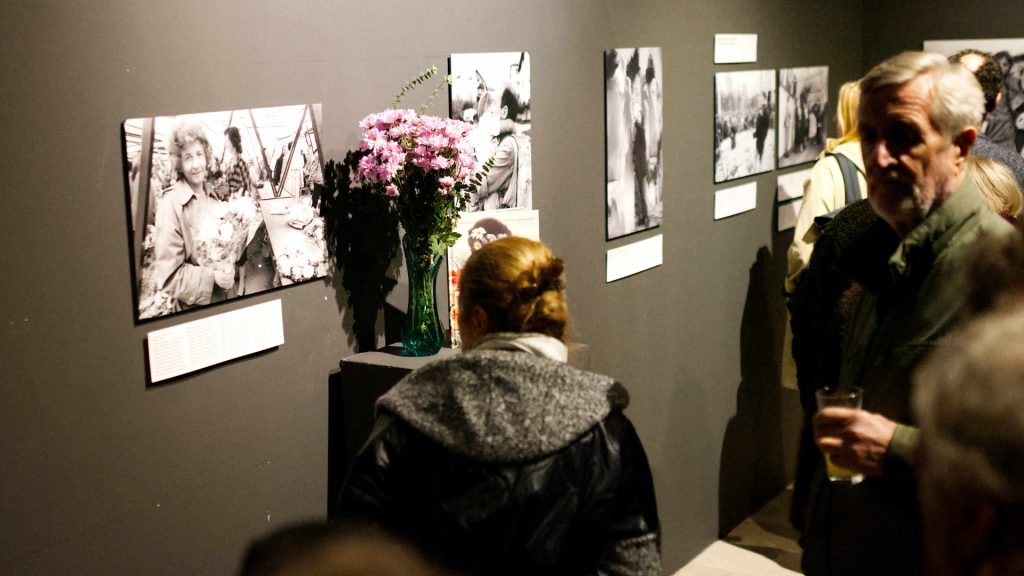
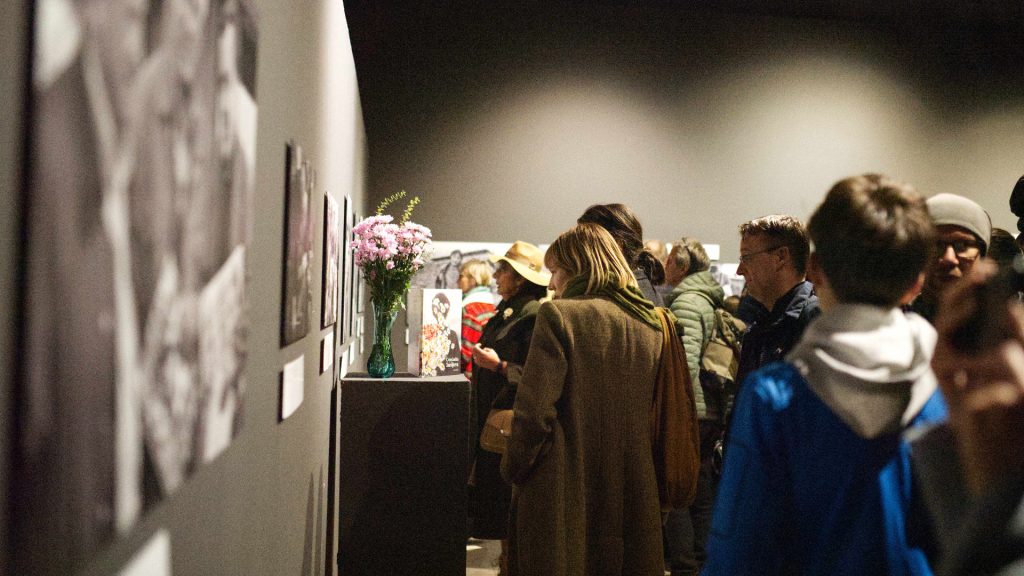
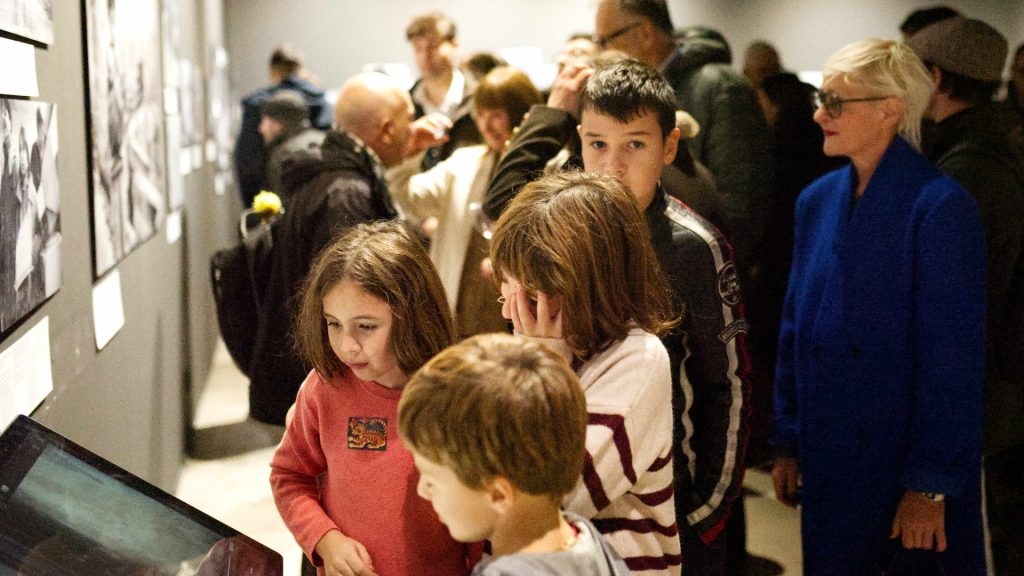
Museum Month 2026 got off to the best possible start – with an exhibition by Mario Boccia, bringing audiences a valuable photographic record of life in besieged Sarajevo, and a large number of visitors gathering at the Historical Museum of Bosnia and Herzegovina.
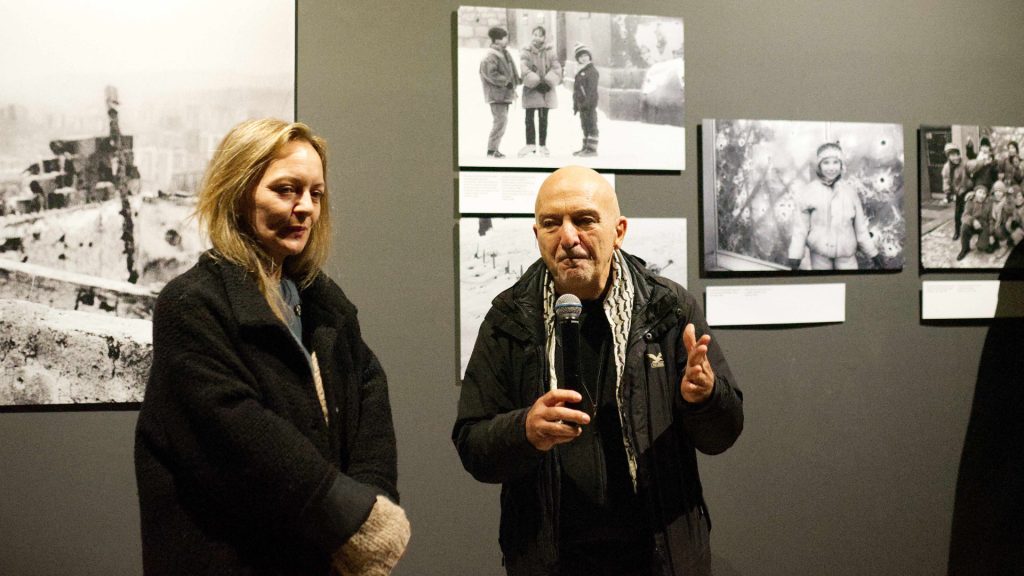
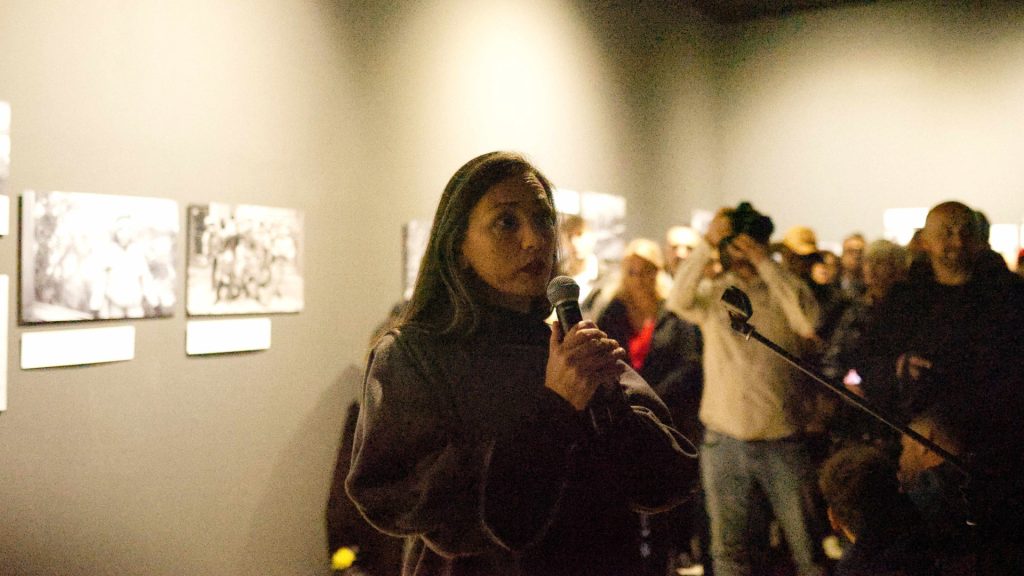
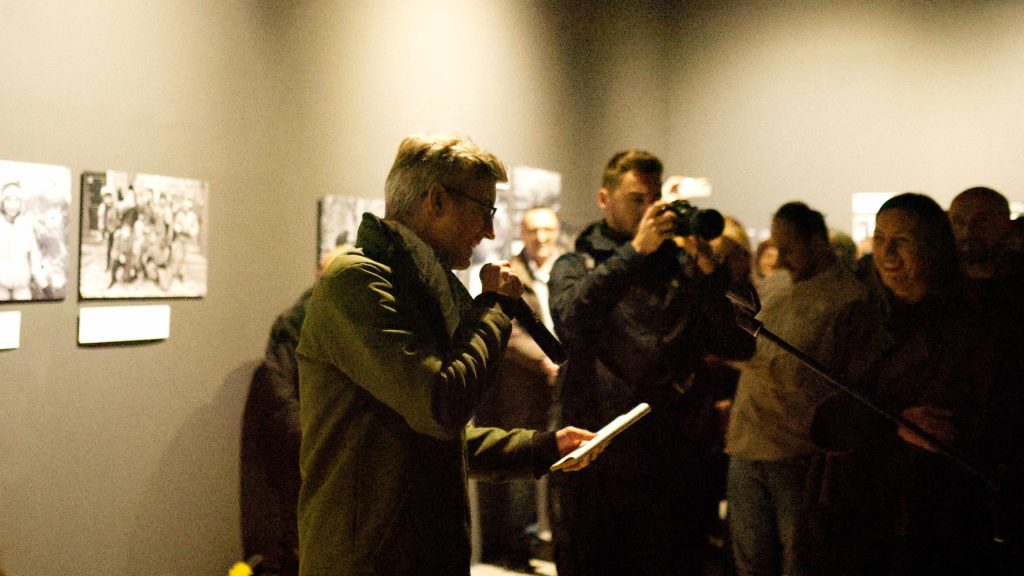
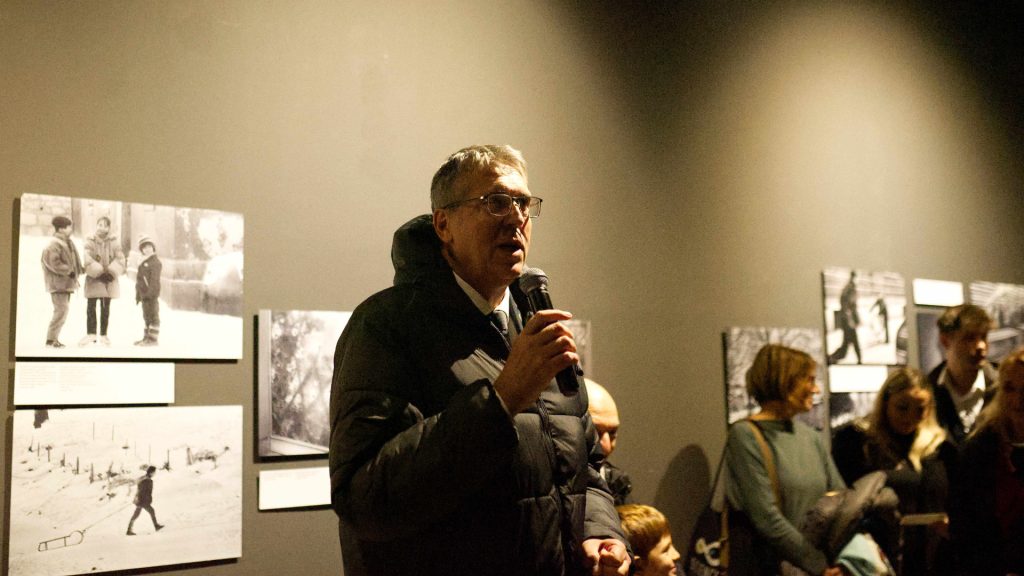
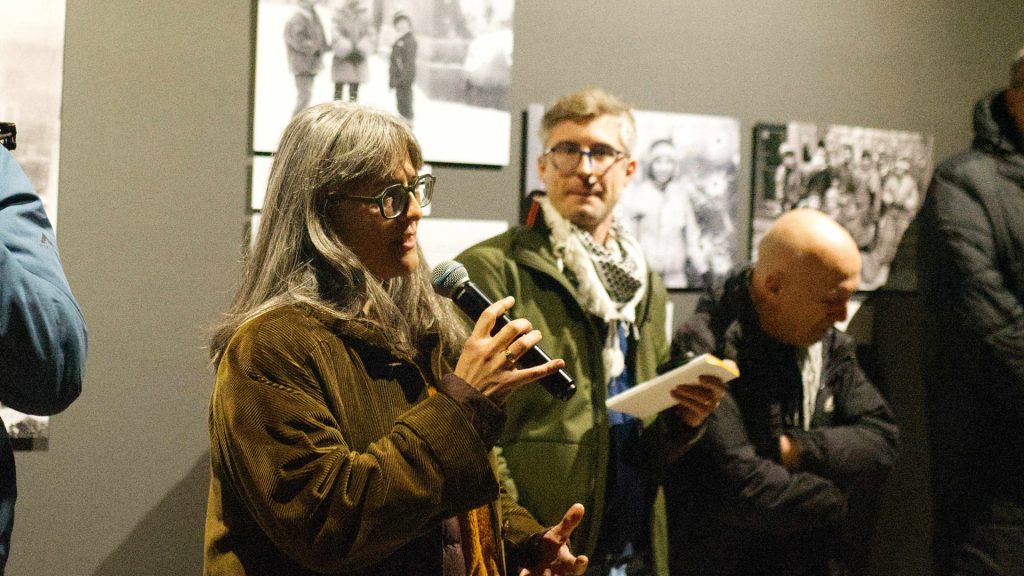
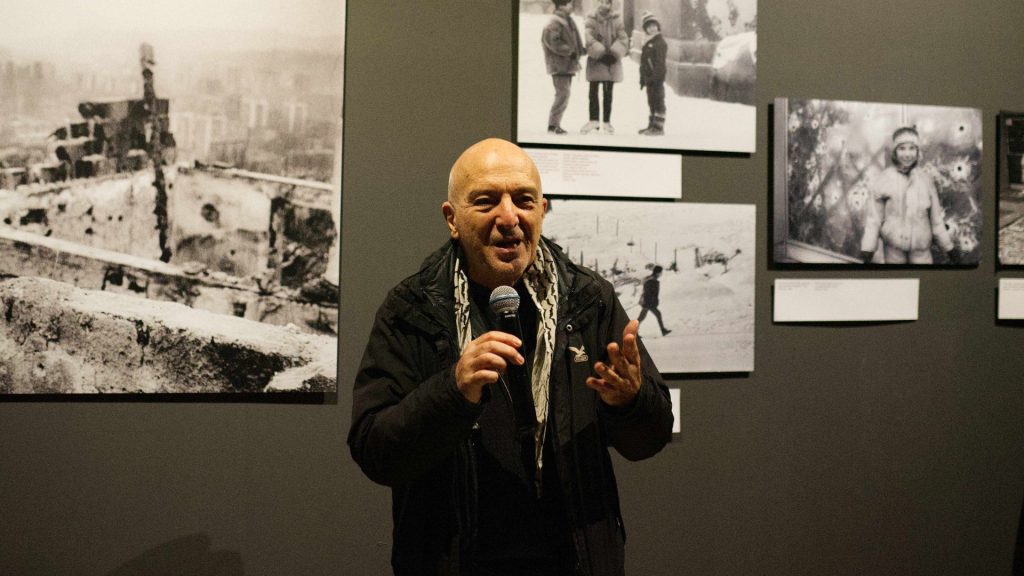
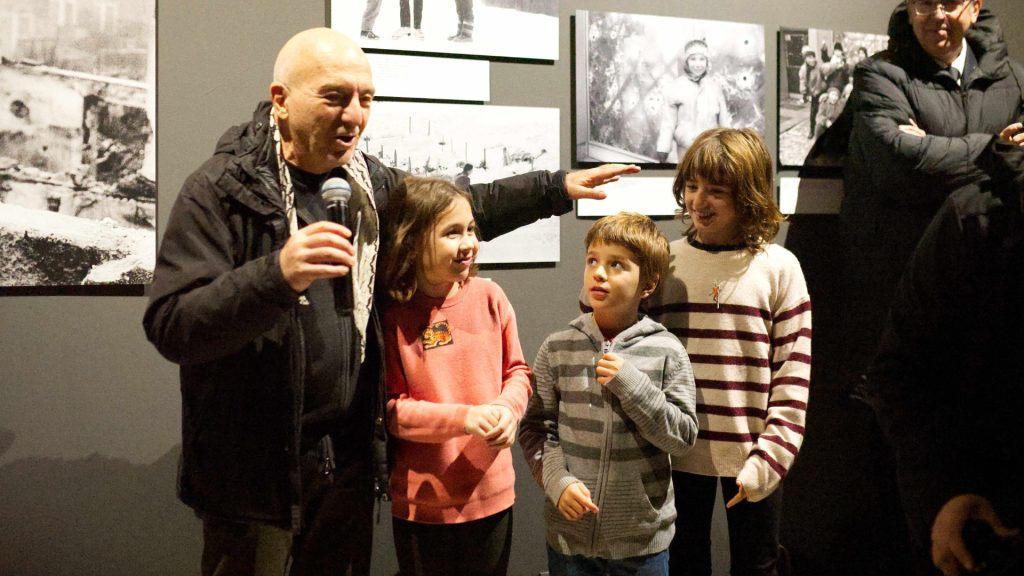
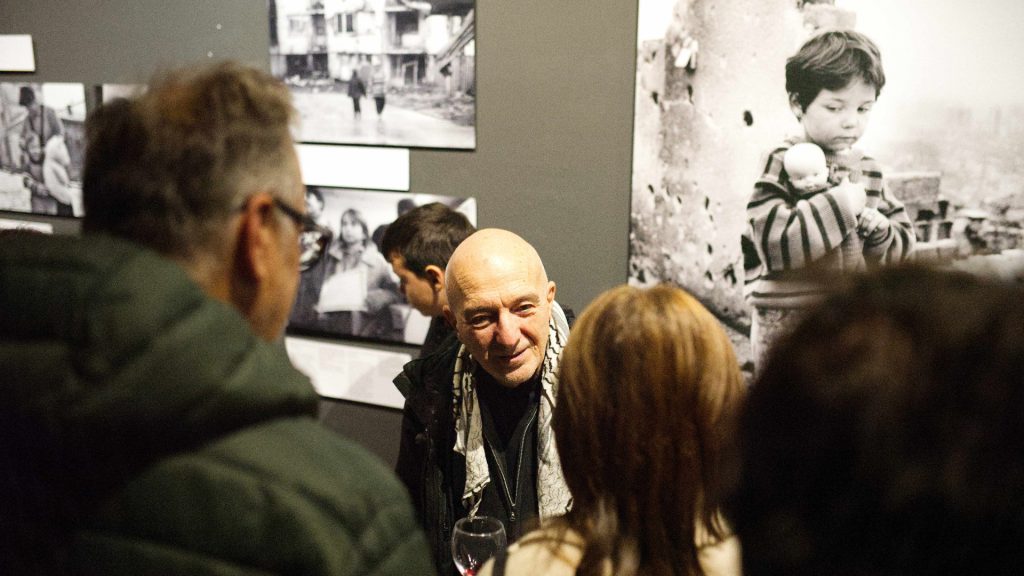
At the opening ceremony, the audience was addressed by Elma Hašimbegović, Director of the Historical Museum of Bosnia and Herzegovina; Samir Avdić, Mayor of Sarajevo; photographer Mario Boccia; and Chiara Sighele, Director of the Centre for International Cooperation (Centro per la Cooperazione Internazionale). Giovanni Vale also read a letter from Oswald Mederle, Director of the partner institution, the Italian War History Museum (Museo Storico Italiano della Guerra) in Rovereto.
The programme began with a minute of silence in memory of members of the Italian contingent of EUFOR Althea, who recently lost their lives in a helicopter accident near Brčko.
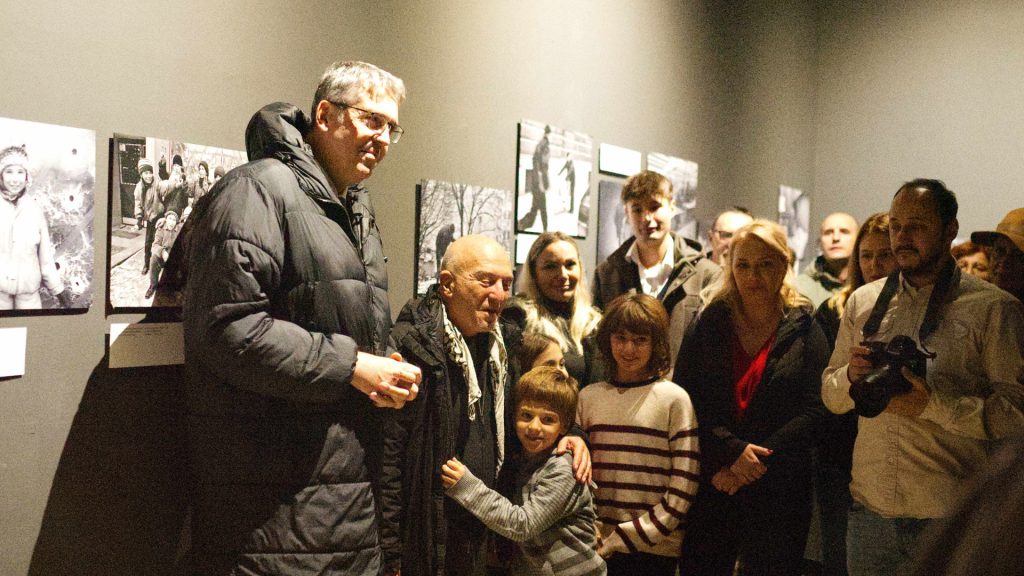
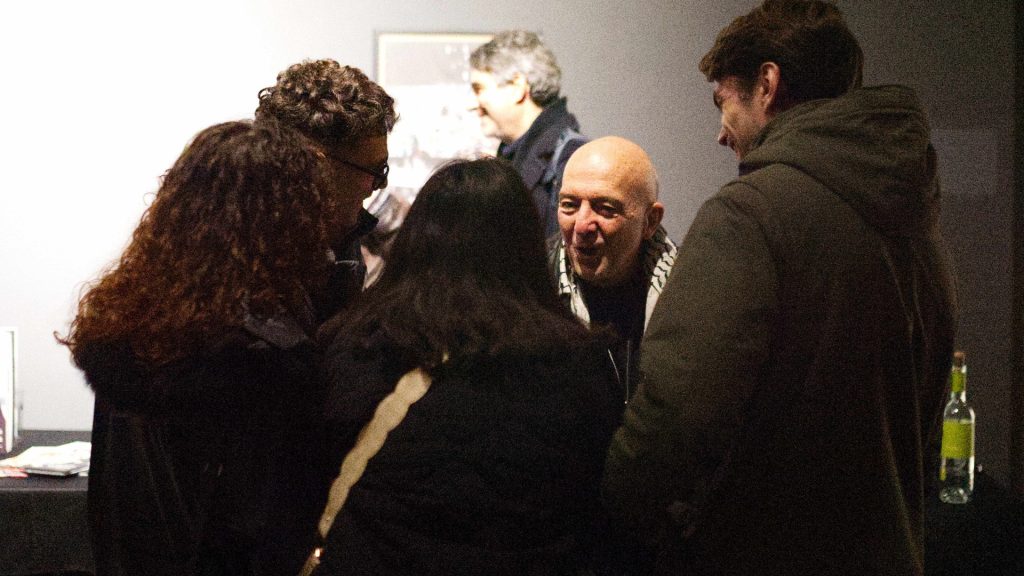
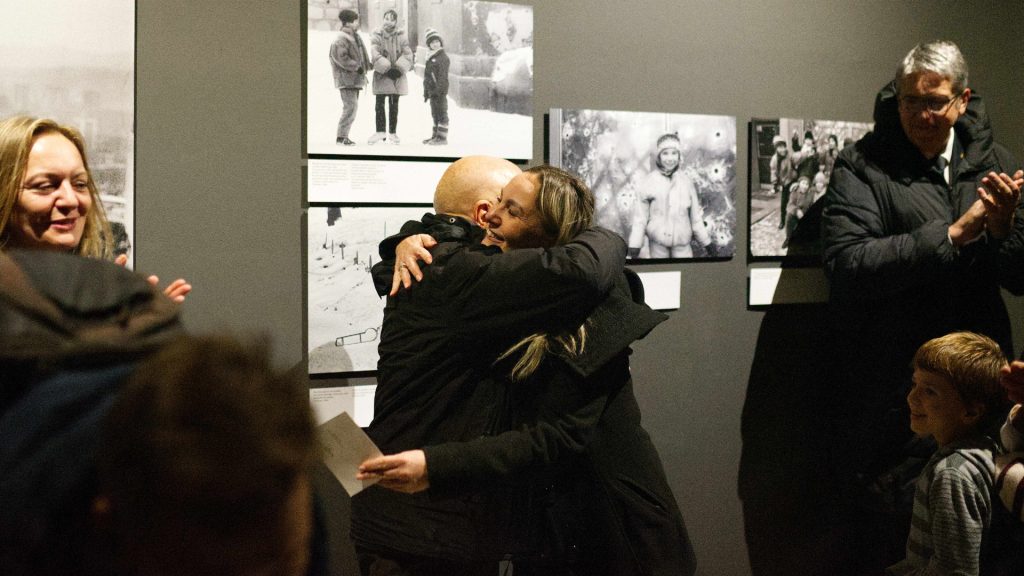
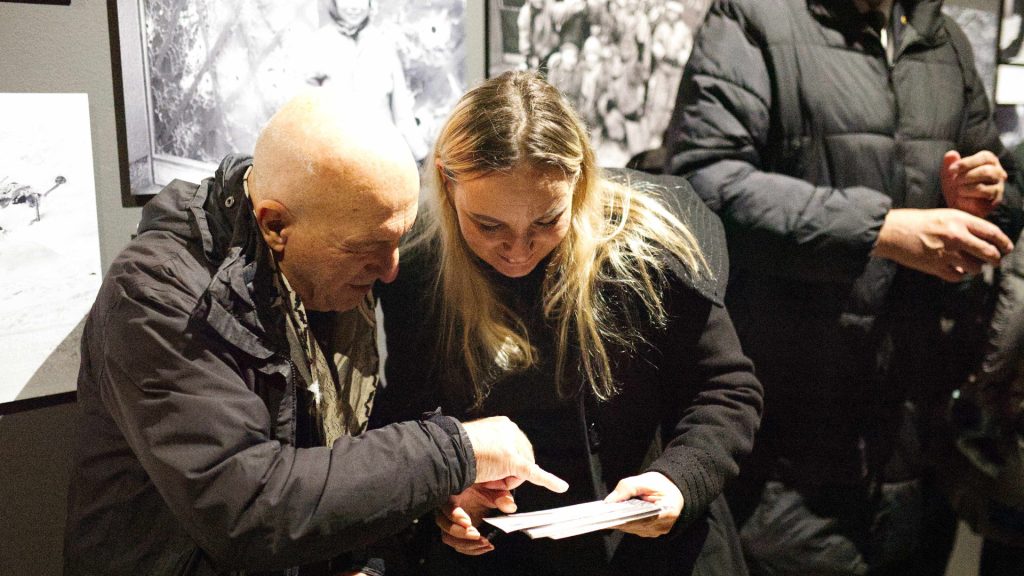
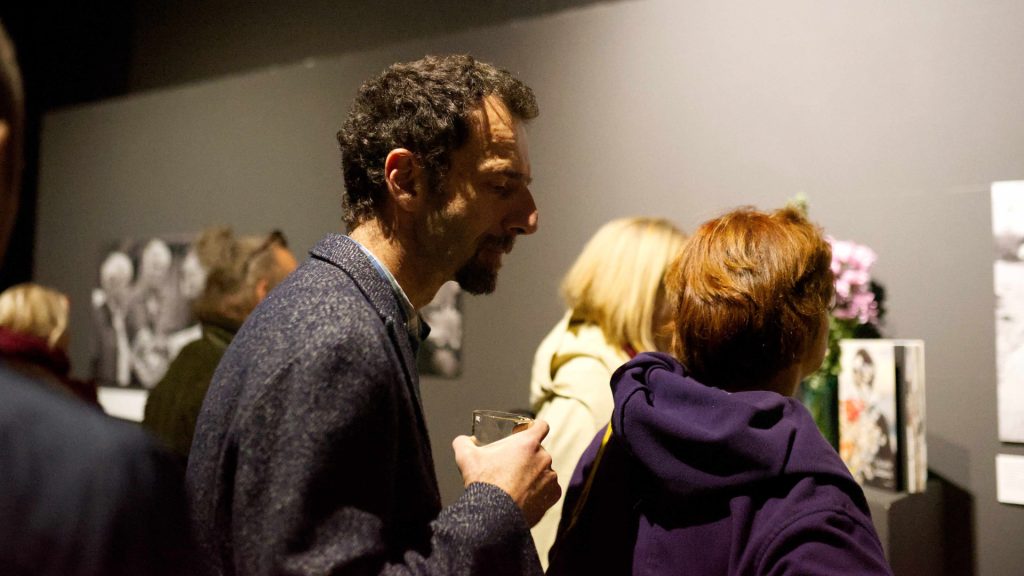
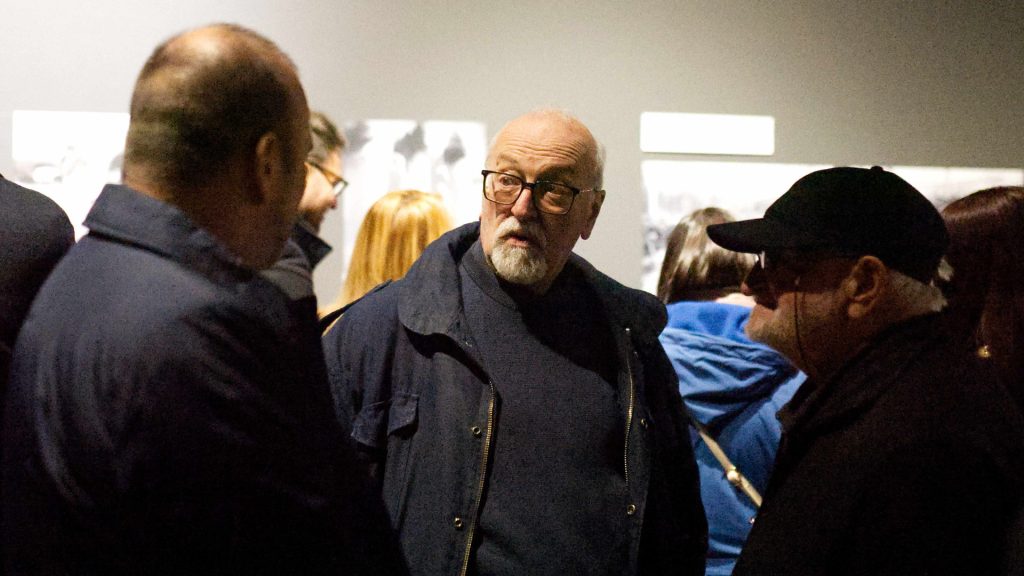
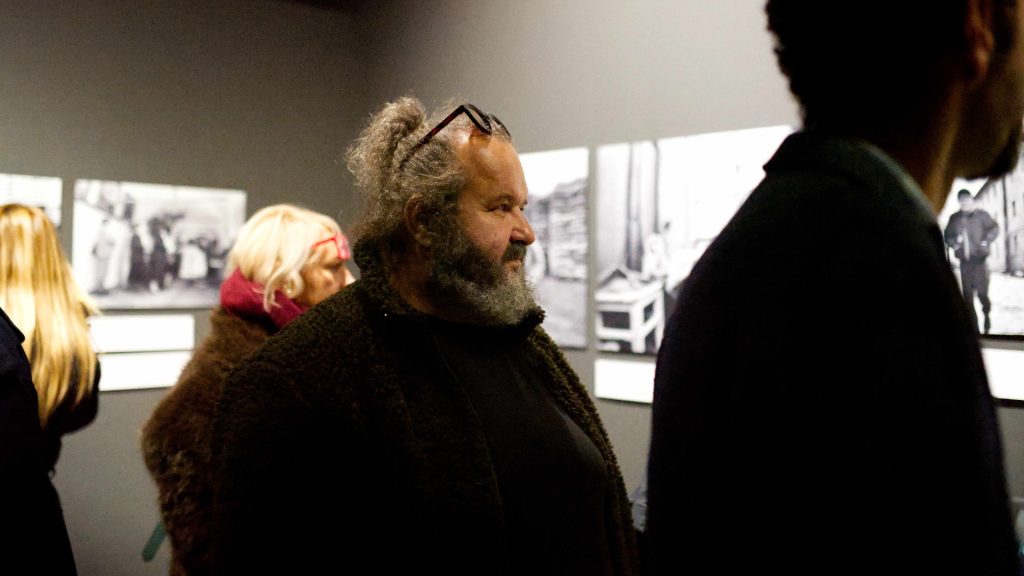
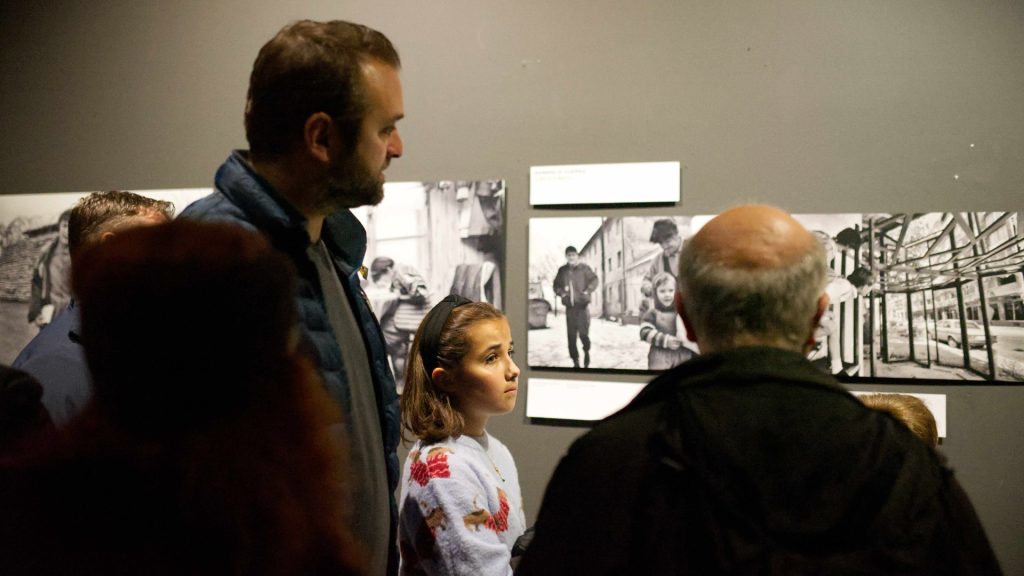
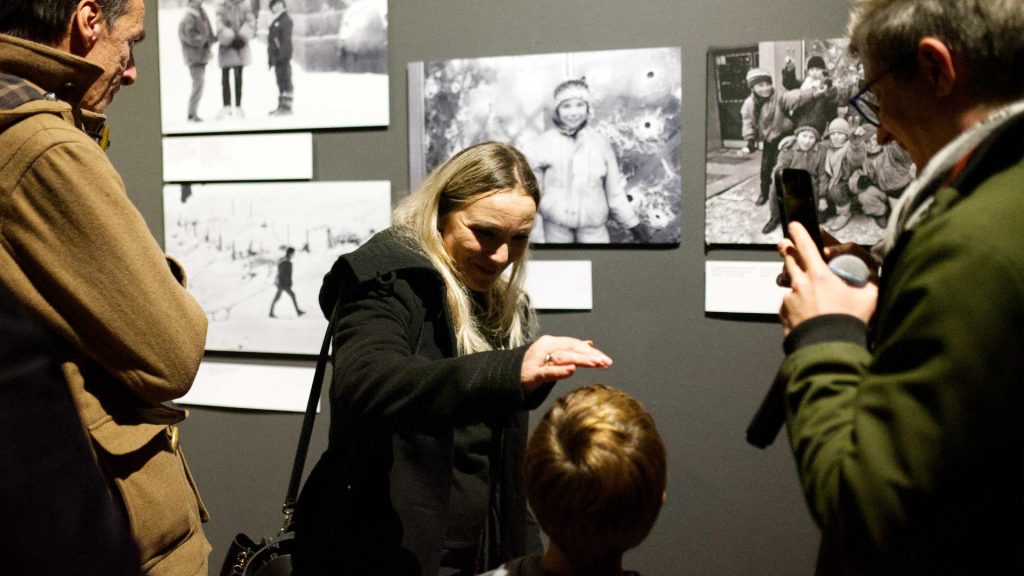
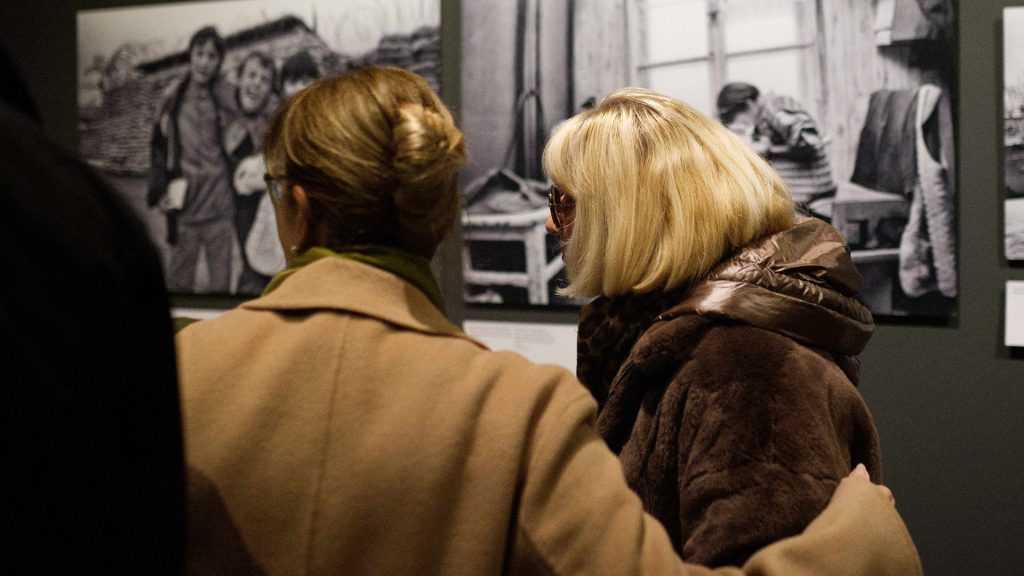
The opening of the exhibition “Sarajevo 1992–1996: The Longest Siege” was much more than a presentation of photographic work. It was a gathering of Mario Boccia’s friends, friends of the Museum, and people whose lives his camera documented during the siege of Sarajevo. Among the visitors were also those who recognised themselves in the photographs on display. One particularly moving moment was the photographer’s reunion with Jelena, the young girl he had photographed more than three decades ago.
Another emotional moment in the programme was a recorded address by Amra Mekić, one of the people whose life story Mario preserved through his photographic work. Recalling her childhood in besieged Sarajevo and the photograph in which she proudly holds her certificate after completing a computer literacy course, Amra highlighted the importance of personal testimonies and preserving the memory of the siege.
As Mario Boccia remarked during the evening, it took him almost twenty minutes to make his way through the gathered crowd. This seemingly simple moment perhaps best illustrates the significance of his work, as well as the connections his photographs have preserved over time and re-established after more than three decades.
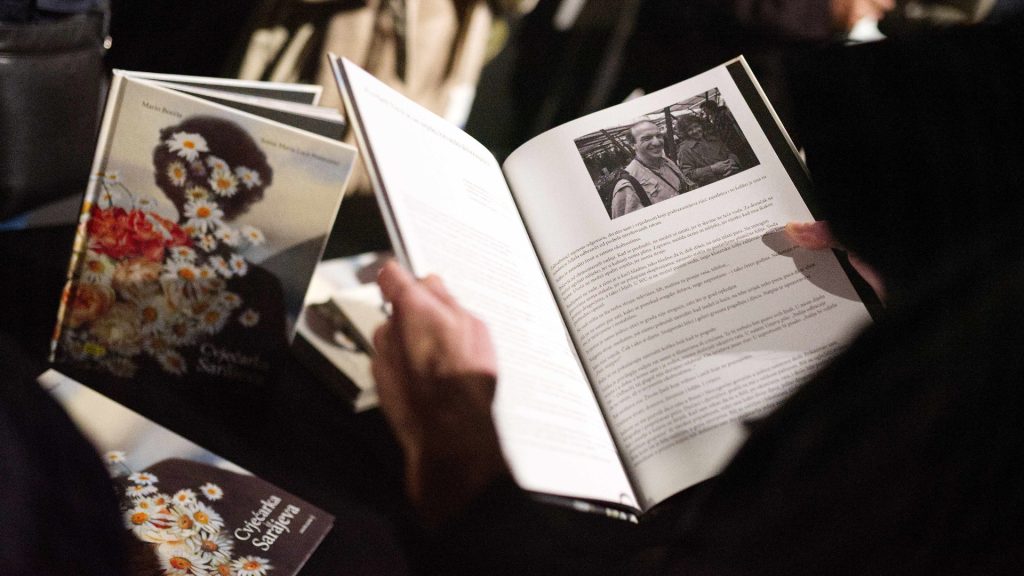
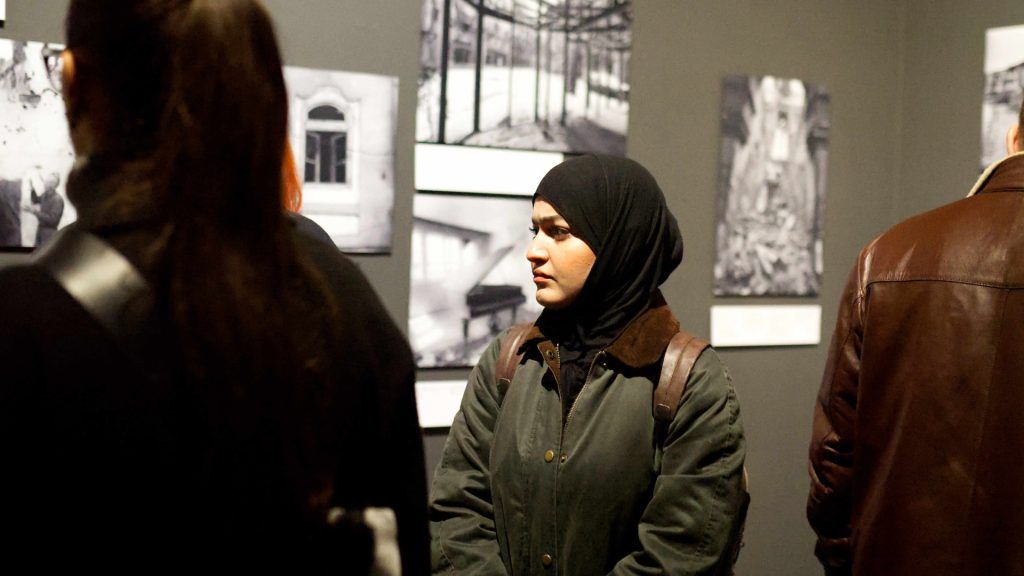
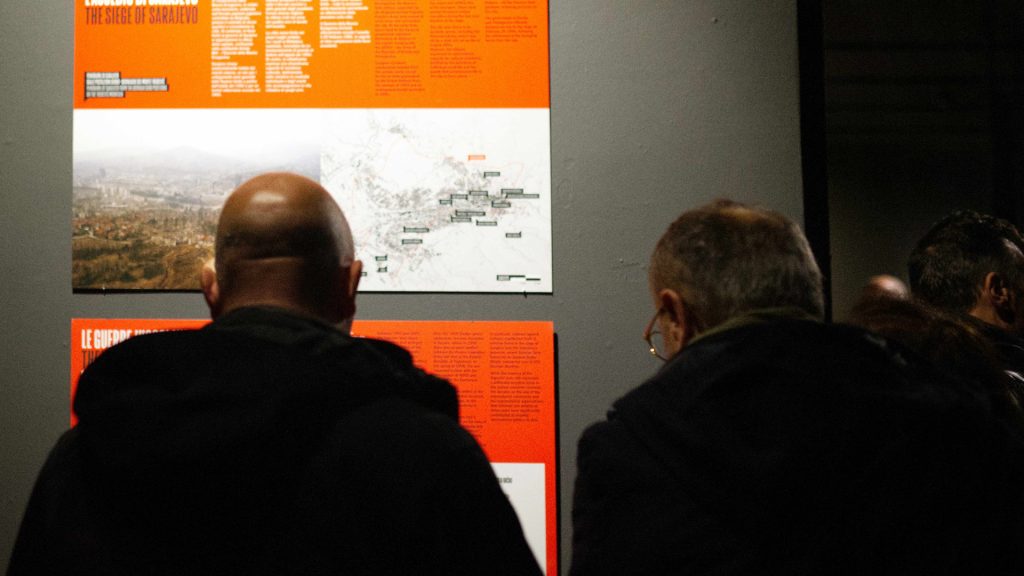
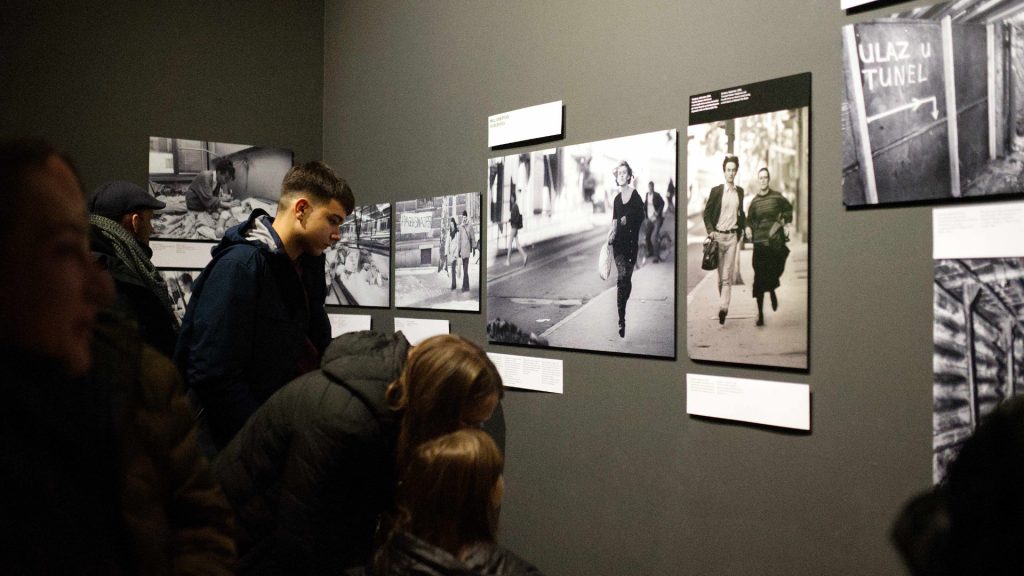
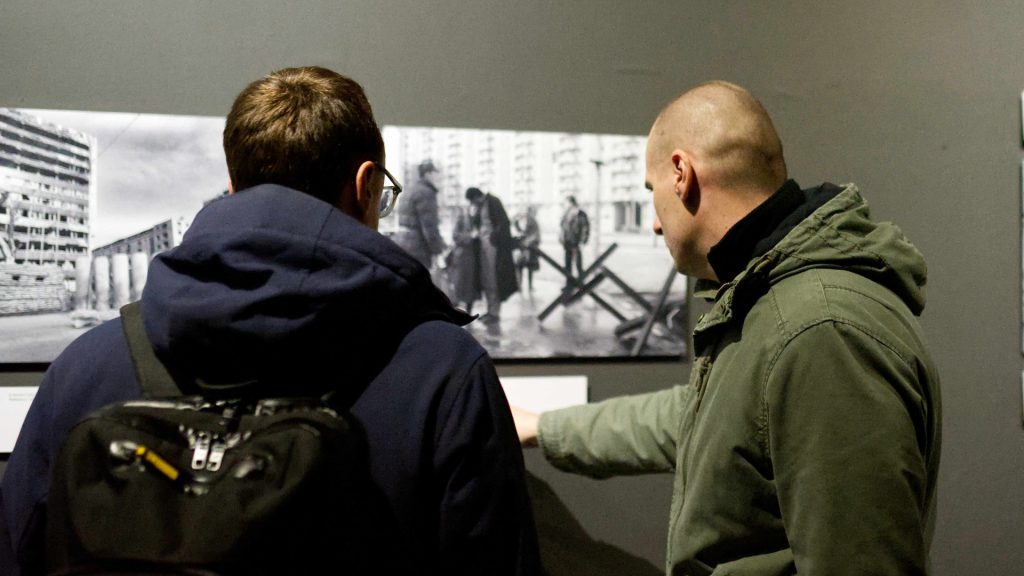
For the Historical Museum of Bosnia and Herzegovina, this exhibition holds a special place. Around fifty black-and-white photographs, taken between 1992 and 1996, bear witness to besieged Sarajevo, its people, and the everyday acts of civilian resistance. They tell stories of life under siege, but also of the ways in which the people of Sarajevo, despite everything, sought to preserve their dignity, solidarity, and sense of community.
Presenting this photographic record at the Museum creates a space for encounters, conversations, recognition, and the creation of new museum stories. It is in this same spirit that we continue with the programme of the 11th Museum Month, through the events and gatherings awaiting us throughout this week.
Thank you to everyone who joined us and helped us kick off this year’s Museum Month. We look forward to seeing you again!